

Navigating social landscapes in early childhood
Explore the multifaceted social contexts that shape the lives of children and families across Australia. This page offers vital insights and practical strategies for early childhood educators to foster inclusive and responsive practices.

Understanding the context
Social contexts in early childhood refer to the relationships, family situations and community environments that shape how children learn to belong, communicate and participate with others.
Peer relationships are central to children’s social and emotional development. Hewett et al. (2017) explain that children learn important social skills through everyday interactions with peers, including sharing, turn-taking, negotiation, empathy and conflict resolution. This means that early childhood settings are not only places where children are cared for; they are also social worlds where children practise how to be with others. Davis and Degotardi (2015) also argue that peer relationships begin much earlier than many adults assume, including in infancy. Therefore, educators should not see babies and toddlers as socially passive, because even very young children show interest in peers through looking, smiling, imitating, reaching and shared movement.
From a sociological perspective, symbolic interactionism is useful because children build social meaning through repeated daily interactions. For example, if a child is constantly described as “rough”, “shy” or “difficult”, that label may shape how adults and other children respond to them. Social learning theory is also relevant because children observe how adults manage conflict, express emotions and include or exclude others (Hewett et al., 2017; Singer, 2016). In this way, social development is not only an individual child’s skill. It is also shaped by the emotional climate, educator modelling, family relationships and peer culture within the service.
Social contexts are also changing in Australian society. Many children experience parental separation, shared care arrangements, blended families or complex transitions between households. The Australian Institute of Family Studies (AIFS, 2019) explains that parenting arrangements after separation vary widely, and some families experience additional concerns such as parental conflict, safety issues or family violence. Other children may experience geographical isolation, limited access to playgroups, limited safe outdoor spaces or fewer chances to play with peers outside early childhood settings. Wyver et al. (2017) argue that active outdoor play is important because children develop confidence, independence, physical competence and social problem-solving through movement, exploration and manageable risk.

Impact on Children and Families
Social contexts can strongly influence children’s learning, wellbeing, relationships and engagement. Positive peer relationships can support confidence, belonging, language development and emotional regulation (Hewett et al., 2017). When children feel included in play, they are more likely to communicate, take social risks and participate in group learning. However, repeated exclusion, conflict or bullying-like behaviour can damage children’s confidence and sense of safety. Kirves and Sajaniemi (2012) found that bullying can occur even in early childhood settings, although it may appear through repeated exclusion, controlling play, taking objects, name-calling or physical intimidation rather than more obvious school-age bullying.
Parental separation can also affect children’s emotional security and daily routines. Some children may become more sensitive during drop-off, show changes in sleep or behaviour, or express sadness through play. This does not mean separation always harms children, but it does mean educators need to respond with emotional understanding rather than judgement (AIFS, 2019). Early childhood services may also need to manage communication with two households, different routines, custody arrangements or family conflict in a professional and child-centred way.
Active outdoor play also has a strong social impact. When children run, climb, chase, balance, build cubbies or play group games, they practise cooperation, leadership, negotiation and risk assessment (Wyver et al., 2017). The Australian Government Department of Health (2021a, 2021b) identifies physical activity as important for infants, toddlers, preschoolers and older children, which means services need to provide regular opportunities for movement rather than keeping children sedentary for long periods. If children have limited access to outdoor play, they may lose valuable opportunities to develop social confidence, physical wellbeing and resilience.

Social Policy and Australian Responses
Australian responses to children’s social development include family support policy, physical activity guidelines, online safety resources and early childhood learning frameworks. AIFS (2019) provides research on parenting arrangements after separation, which can help educators understand the diversity of family structures and avoid making assumptions about children’s home lives. The Australian Education Research Organisation (AERO, 2023a, 2023b) provides evidence about social and emotional development, supporting educators to observe children’s progress in areas such as relationships, self-regulation and emotional understanding.
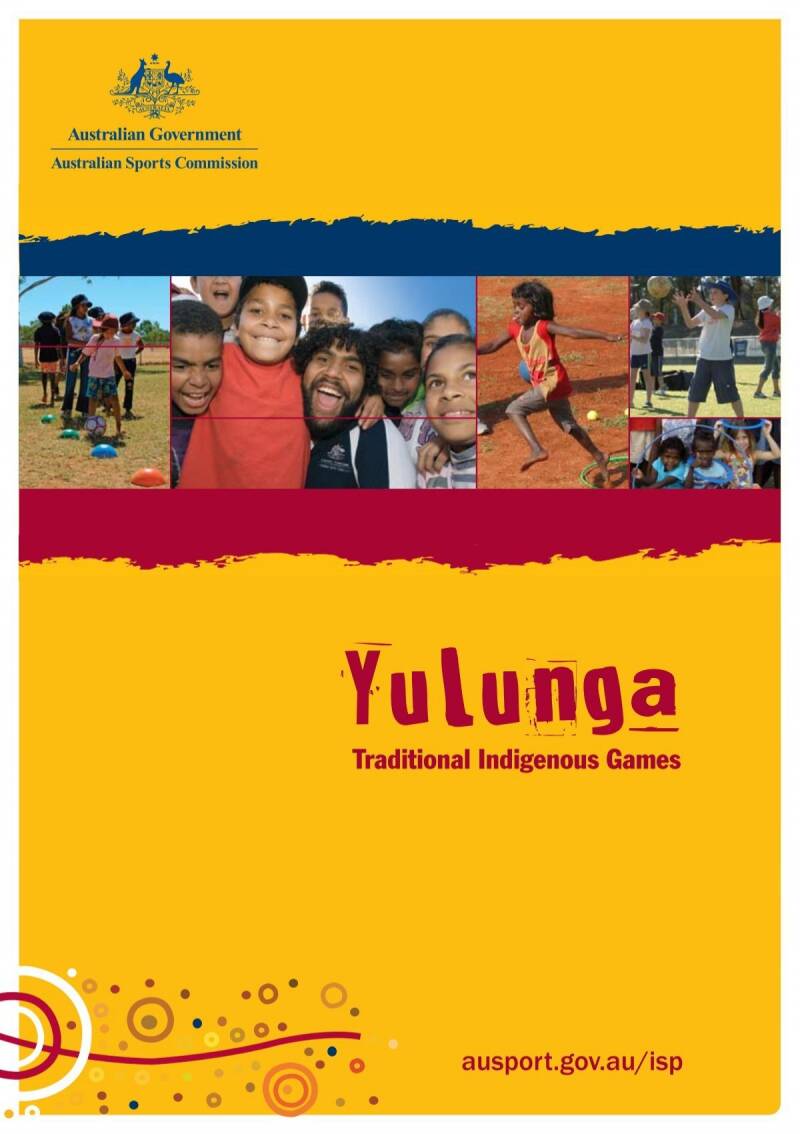
Physical activity policy also influences early childhood practice. The Australian Government Department of Health (2021a, 2021b) recommends regular physical activity for young children, while Get Up & Grow supports healthy eating and movement in early childhood settings (Australian Government Department of Health and Ageing, 2022). Programs such as Munch & Move provide practical resources and case studies for early childhood services to promote active play and healthy routines (Munch & Move, 2020a, 2020b). SunSmart guidance is also important because educators need to balance outdoor play with sun safety, rather than avoiding outdoor play completely (Cancer Council, n.d.). The Yulunga Traditional Indigenous Games resource can also support active play while respectfully introducing children to Aboriginal and Torres Strait Islander games and cultural knowledge (Australian Sports Commission, n.d.).
Strategies For Practrice
First, educators can intentionally support peer relationships by creating small-group experiences where children share materials, build together, solve problems and return to the same play project over time (Hewett et al., 2017; Singer, 2016). Second, educators can model and teach social language, such as “Can I have a turn?”, “Stop, I don’t like that”, “Can I play too?” and “How can we fix it?” Third, educators can observe patterns of exclusion or repeated conflict, rather than treating bullying-like behaviour as isolated incidents (Kirves & Sajaniemi, 2012). Fourth, services can provide daily active outdoor play through obstacle courses, ball games, running games, nature play, climbing and music movement activities (Wyver et al., 2017; Australian Government Department of Health, 2021a). Fifth, educators can support children experiencing parental separation through predictable routines, calm transitions, communication plans and warm emotional support (AIFS, 2019).
Community and Professional Partnerships
Five important partnerships include family support workers, child and family psychologists, local councils, health promotion teams and family dispute resolution services. Family support workers can assist families experiencing separation, isolation or stress. Child psychologists can support children who experience anxiety, trauma, social withdrawal or emotional regulation difficulties. Local councils can connect families with parks, playgroups and community activities. Health promotion teams can help services implement Munch & Move and physical activity practices (Munch & Move, 2020a). Family dispute resolution services can support separated parents when communication is difficult, helping services remain focused on the child’s wellbeing (AIFS, 2019).

Resources for Educators and Children
Four useful educator resources are AERO’s social and emotional learning trajectory, Munch & Move resources, SunSmart in early childhood, and Yulunga Traditional Indigenous Games (AERO, 2023b; Australian Sports Commission, n.d.; Cancer Council, n.d.; Munch & Move, 2020a). Four storybooks for children are The Rainbow Fish by Marcus Pfister, Stick and Stone by Beth Ferry, The Invisible Boy by Trudy Ludwig, and When Sadness Comes to Call by Eva Eland. These books can help children discuss friendship, exclusion, sadness, empathy and kindness. Four media resources are Play School episodes about friendship, Sesame Street videos about emotions, Cosmic Kids Yoga episodes about kindness and movement, and SunSmart songs or videos for young children. Educators can use these resources to ask simple but meaningful questions such as: “How do we help someone join play?”, “What can we do when someone feels left out?” and “How can our bodies feel strong and safe outside?”
Create Your Own Website With Webador