

Nourishing young lives: Health and wellbeing in early childhood
This page is designed to equip early childhood educators with essential knowledge and practical tools to promote the health and wellbeing of children and families in Australia. We aim to help you navigate complex health issues, ensuring every child thrives.

Understanding health and wellbeing for educators
Health and wellbeing in early childhood should be understood broadly, not only as the absence of illness, but also as children’s physical health, emotional security, developmental support, preventive healthcare, and access to services when they need them. In Australian early childhood education and care (ECEC), this includes children’s immunisation, management of infectious diseases, access to Medicare and developmental checks, oral health, and social-emotional wellbeing (Department of Health, Disability and Ageing, 2025a, 2025b; NHMRC, 2024). This context is very important in early childhood education because children’s health can directly affect their attendance, participation, behaviour, concentration, relationships, and their ability to engage in play-based learning (AIHW, 2024).
From a sociological point of view, ecological theory helps to understand that children’s wellbeing is shaped by different systems around them, such as family, ECEC settings, health services, communities, and wider policy environments (Nolan & Raban, 2015). Similarly, the social determinants of health framework shows that children’s health is influenced not only by family choices, but also by wider factors such as income, housing, transport, access to services, and cultural safety (Department of Health, 2021; AIHW, 2025). This issue is also diverse and evolving in Australia, because First Nations, migrant, refugee, rural, remote, and low-income families may experience health and access to services in quite different ways, especially with rising living costs, unequal access to healthcare, and growing recognition of children’s mental health needs (Department of Health, 2019; AIHW, 2024a).

Impact on children and families
When children experience poor health, missed immunisations, untreated developmental concerns, repeated illness, or emotional distress, the effects can be significant. Health affects children’s energy, regulation, behaviour, communication, learning, and confidence in group settings. AIHW notes that good health influences participation in family life, schooling, and everyday activities, while the AEDC shows that more than 20% of children entering school experience some developmental vulnerability. AIHW also reports that almost 14% of children aged 4–11 experienced a mental disorder in the 12 months before the national survey most commonly cited in current reporting. These figures matter in ECEC because children do not experience “health” separately from learning; rather, wellbeing underpins their capacity to belong, explore, communicate, and build relationships (AIHW, 2024; Australian Early Development Census [AEDC], 2025; AIHW, 2024b).
For families, health concerns can create financial strain, stress, disrupted routines, and difficulty maintaining consistent attendance in ECEC. For services, the implications include medication management, infection control, exclusion periods, health documentation, referral responsibilities, and the need for culturally responsive communication with families. This means that educators are not only teaching children; they are also contributing to a health-promoting environment that supports prevention, early identification, and equitable access to support (NHMRC, 2024; Department of Health, Disability and Ageing, 2025c).

Social Policy and Australian responses
Australia’s policy response to children’s health and wellbeing is increasingly focused on prevention and early intervention. Nationally, the National Action Plan for the Health of Children and Young People 2020–2030 aims to support children to be healthy, safe, and thriving, while the National Preventive Health Strategy 2021–2030 highlights equity, early action, and systems-based prevention (Department of Health, 2019, 2021). Medicare also remains a key mechanism for access to healthcare, and newer reforms such as MyMedicare and bulk-billing incentives are intended to improve continuity and affordability of care for families (Services Australia, 2025a, 2026a). Preventive support for children is further strengthened through the National Immunisation Program and the Child Dental Benefits Schedule (Department of Health, Disability and Ageing, 2025b).
Recent data shows both progress and continuing need. National childhood immunisation coverage was 91.54% at age 1, 89.57% at age 2, and 93.17% at age 5, which shows relatively strong uptake but still some gaps in coverage (Department of Health, Disability and Ageing, 2026). In NSW, policies and initiatives such as Brighter Beginnings, the First 2000 Days Framework, and the Health and Development Checks in Early Childhood Education Program aim to strengthen early identification and referral pathways (NSW Government, n.d.; NSW Health, 2021; NSW Department of Education, 2026). These policies directly influence ECEC practice through enrolment requirements, health documentation, infection control, communication with families, and referral processes, although barriers such as cost, transport, language, and distrust of systems may still limit equitable access (NCIRS, 2024; NSW Health, 2025).
Strategies for practice
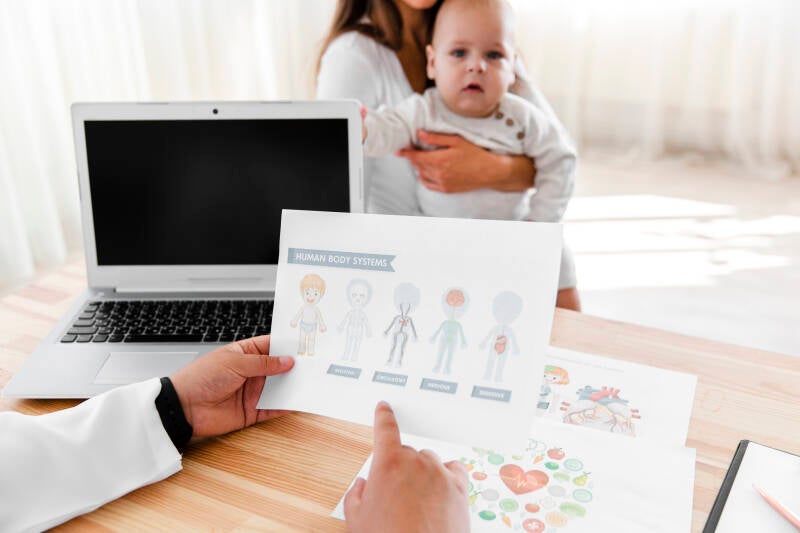
Five evidence-based strategies are especially important in ECEC when supporting children’s health and wellbeing.
First, educators should use strong infection prevention practices such as hand hygiene, cleaning routines, exclusion guidance, and clear communication with families about illness, following the Staying Healthy guidelines (NHMRC, 2024). In practice, this means teaching children routines, checking symptoms carefully, and keeping health information visible and consistent.
Second, teachers should build trusting and non-judgemental relationships with families so health concerns, missed appointments, or developmental worries can be discussed respectfully (Department of Health, 2019; AIHW, 2025). This can be done through regular conversations, calm communication, and culturally sensitive approaches.
Third, educators should promote preventive care by sharing information about Medicare, immunisation, developmental checks, oral health, and local services (Services Australia, 2025a; Department of Health, Disability and Ageing, 2025b). Teachers can do this through newsletters, displays, and referral support.
Fourth, services should embed social-emotional learning, co-regulation, and mental health support into daily practice (Be You, n.d.; Healthdirect, n.d.). For example, teachers can use emotion cards, calm spaces, and predictable routines.
Fifth, teachers should document concerns early and collaborate with health professionals when patterns appear, rather than waiting too long (NSW Department of Education, 2026).
Community and professional partnerships

Five key partnerships can strengthen practice.
GPs and general practices support routine healthcare, referrals, and continuity of care through Medicare and MyMedicare.
Child and Family Health Nurses provide developmental checks, parenting support, and guidance on feeding, sleep, behaviour, and milestones.
Local Health District immunisation and health-check teams assist services with vaccination information and developmental screening in ECEC settings.
Speech pathologists, occupational therapists, and allied health professionals help respond to developmental, sensory, and communication concerns, especially through early supports such as Thriving Kids.
Psychologists and Medicare Mental Health Kids services support children and families experiencing emotional, behavioural, or relational difficulties and enable coordinated care with education services.
Resources for Educators and Children


Projects, programs, and websites
1. NHMRC – Staying Healthy
Practical guidance for infection prevention, hygiene routines, exclusion periods, and illness management in ECEC settings.
2. NCIRS / SKAI – No Jab No Play resources
Trusted information about immunisation and ways to communicate with families about vaccination.
3. Be You Early Learning
Professional learning and practical tools to support children’s mental health and emotional wellbeing.
4. Raising Children Network / Healthdirect
Easy-to-understand information for educators and families about child health, development, illness, and wellbeing.
Children’s storybooks
1. Llenas, A. – The Colour Monster
Helps children recognise, name, and talk about feelings.
2. Percival, T. – Ruby Finds a Worry / Ruby’s Worry
Supports conversations about anxiety, worries, and emotional expression.
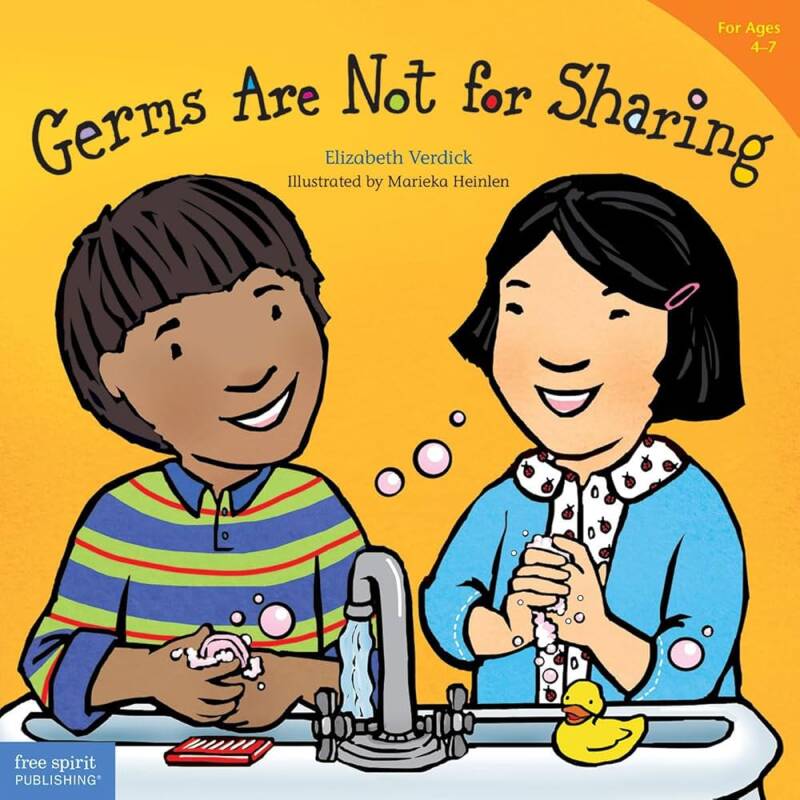
3. Verdick, E., & Heinlen, M. – Germs Are Not for Sharing
Introduces hygiene, illness prevention, and caring for others in a child-friendly way.
4. Campbell Books – We’re Going to the Doctor: Going for a Check-Up (illus. M. Cocklico)
Prepares children for doctor visits and health checks in a reassuring way.
Videos, educational shows, or podcasts
1. ABC iview – Old People’s Home for 4 Year Olds
Useful for exploring wellbeing, empathy, relationships, and intergenerational connection.
2. Bluey – “The Doctor”
Helps children become familiar with doctor visits through pretend play.
3. ABC Kids – “Visit to the GP”
Supports discussion about check-ups, healthcare routines, and feeling safe with medical care.
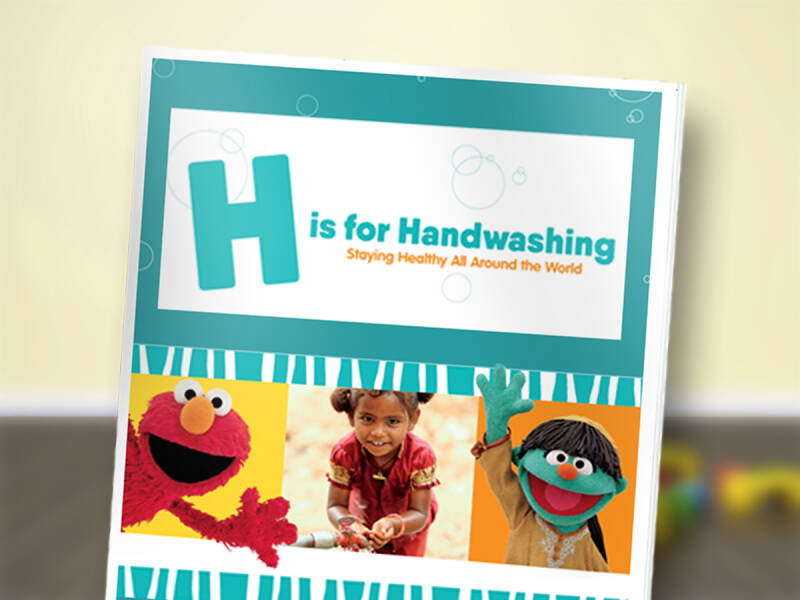
4. Sesame Street handwashing resources
Reinforces hygiene routines and shared responsibility for health.
How these resources can be used
These resources can be used through read-alouds, role play, group discussion, visual prompts, and everyday routines to build children’s understanding, empathy, confidence, and resilience around health and wellbeing
Create Your Own Website With Webador