

Navigating economic landscapes in early childhood
Understanding the impact of economic contexts on children and families is crucial for effective early childhood education. This page provides educators with insights and practical strategies to support those experiencing financial hardship, fostering resilience and equitable opportunities for all.

Understanding economic hardship in families
Economic context means the conditions around money, housing, employment, food, transport and access to services that shape children’s everyday life. In this section I focus on poverty, housing stress, homelessness and financial hardship, because the assessment asks us to explore how family and community contexts affect children, families and early childhood services . I think this context is very important because sometimes people talk about children’s behaviour as if it comes only from the child, but actually many children are carrying the stress of the whole family situation.
Economic hardship is not simply because parents are not organised or do not care. It is often connected to bigger social structures, such as insecure work, high rent, low income, family violence, disability, migration stress and lack of community support. Grace and Baird (2022) explain that social inequities in Australian communities affect children and families because disadvantage is not evenly shared. Some families have more protection, money and social support, while others experience pressure from many sides at the same time. Camberis and McMahon (2017) also discuss contemporary Australian families as living in challenging contexts, where family life can be affected by social and economic pressure.
From a sociological perspective, this can be understood through social determinants theory and conflict theory. Social determinants theory shows that children’s health and development are shaped by the conditions where they are born, live, learn and grow, not only by parenting choices (Moore et al., 2015). Conflict theory also helps because it shows that society does not give all families the same access to housing, income, education, safety and power. For example, one child may have a quiet bedroom, books, healthy food and parents who have time to read with them, while another child may live in overcrowded housing, move often, or come to the centre tired and hungry. This is not the fault of the child, but it can still affect their learning and wellbeing (Duncan et al., 2013; Grace & Baird, 2022).

Impact on Children and Families
Poverty and housing stress can influence children’s development, learning, wellbeing, relationships and engagement. A child experiencing financial hardship may arrive at the service tired, anxious, hungry or emotionally unsettled. They may not have warm clothes, enough sleep, regular meals, stable routines or access to health services. Duncan et al. (2013) argue that poverty in early childhood can have long-term effects on achievement, employment and health. This does not mean that children in poverty cannot succeed. It means that educators must understand how much harder some children have to work just to feel safe and ready to learn.
Housing stress and homelessness are especially serious because young children need stability and predictable relationships. The Australian Institute of Health and Welfare (AIHW, 2022) identifies homelessness and specialist homelessness services as major issues affecting families in Australia. When families move from place to place, children may lose familiar educators, friends, routines, toys, pets and neighbourhood connections. This can make children feel unsafe or unsettled. The National Scientific Council on the Developing Child (2020a) explains that young children develop in the environment of relationships, so when family stress becomes too high, children need stable adults around them who can help buffer this stress.
Economic hardship also affects parents. Parents may feel shame when they cannot pay fees, buy lunchbox food, attend events or provide what other children have. They may also feel anxious about telling educators what is really happening. Emerging Minds (2018) explains that parents can find it difficult to talk with practitioners about children’s mental health, and I think this is even harder when parents feel judged. So early childhood educators need to be careful with their language. A family in hardship is not a “problem family”. It may be a loving family under pressure.

Social policies and Australian Responses
Australian responses include homelessness services, family support, mental health resources, early childhood education policy and community-based support. Woodrow et al. (2022) argue that policy and practice should support children, families and communities through integrated and collaborative approaches. This means early childhood services should not work alone or just say “this is not our job”. Services need to know where to refer families and how to work with community organisations.
AIHW (2022) data on specialist homelessness services is important because it shows that homelessness is not rare or only about adults sleeping rough. It also affects children and families who may be living in temporary accommodation, refuges or unsafe housing. Be You provides resources for early learning services on wellbeing, mental health and the mental health continuum (Be You, 2020, 2021a, 2021b). Beyond Blue also provides information about parenting and mental health, which is useful because economic hardship and mental health can be connected (Beyond Blue, n.d.). For refugee families, economic stress may also be linked with settlement, language barriers and family transition, and Sanagavarapu (2022) explains that refugee children can sometimes support their families during transitions, which can place extra responsibility on children.


Strategies for Practice
First, educators can create respectful communication with families. Instead of making parents feel embarrassed, educators can privately ask what support may help the child attend, settle and participate (Camberis & McMahon, 2017).
Second, services can reduce hidden costs. For example, they can avoid expensive dress-up days, provide spare clothes, use recycled materials and make sure children are not excluded from activities because their family cannot pay.
Third, educators can use relationship-based practice. Warm greetings, predictable routines, quiet spaces and consistent educators can help children who experience instability or stress (National Scientific Council on the Developing Child, 2020a).
Fourth, educators can connect families with support services, such as food relief, housing support, financial counselling and mental health services. This should be done respectfully and not in front of other families (Woodrow et al., 2022).
Fifth, educators can design a curriculum that values community, sharing and resilience instead of consumerism. Children can explore cooking, gardening, dramatic play, recycled construction and helping others, so that belonging is not connected to having expensive things.


Community and Professional Practicies
Five important partnerships are specialist homelessness services, family support workers, financial counsellors, child and family health nurses, and mental health organisations such as Be You, Beyond Blue and Emerging Minds. Homelessness services can support families with housing instability (AIHW, 2022). Family support workers can help families manage stress and access services. Financial counsellors can support families with debt and bills. Child and family health nurses can monitor children’s health and development. Mental health organisations can help educators and parents understand stress, anxiety and wellbeing (Be You, 2021a; Beyond Blue, n.d.; Emerging Minds, 2018).


Resources for Educators and Children
Four useful websites or projects are AIHW Specialist Homelessness Services, Be You Fact Sheets, Beyond Blue Parenting and Mental Health, and Emerging Minds resources on trauma and adversity (AIHW, 2022; Be You, 2021a; Beyond Blue, n.d.; Emerging Minds, 2017). These can help educators understand poverty and stress without blaming families.
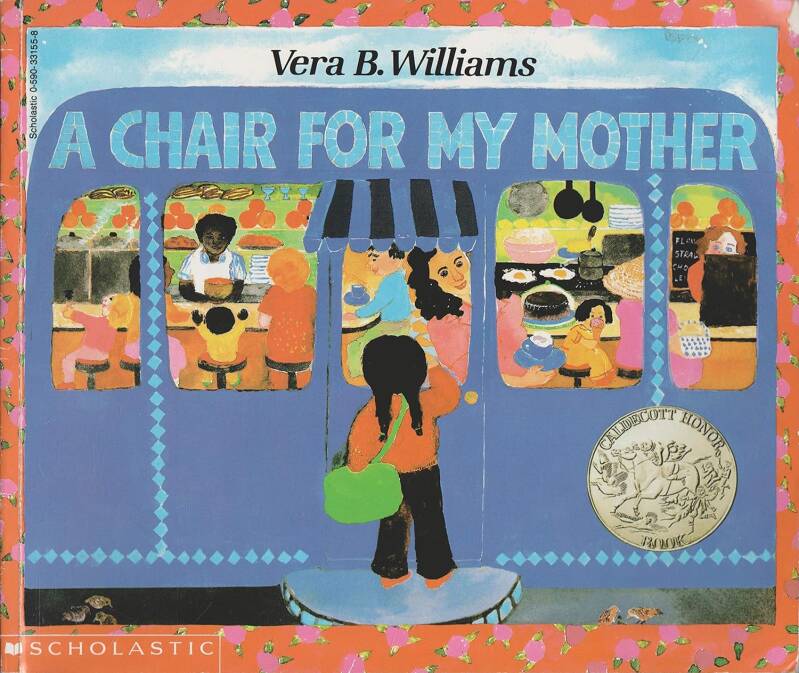
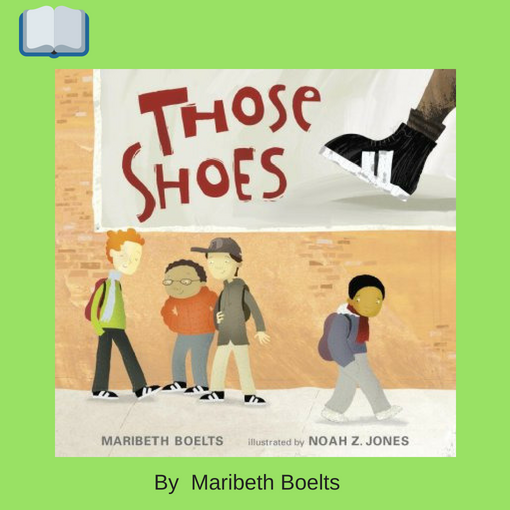
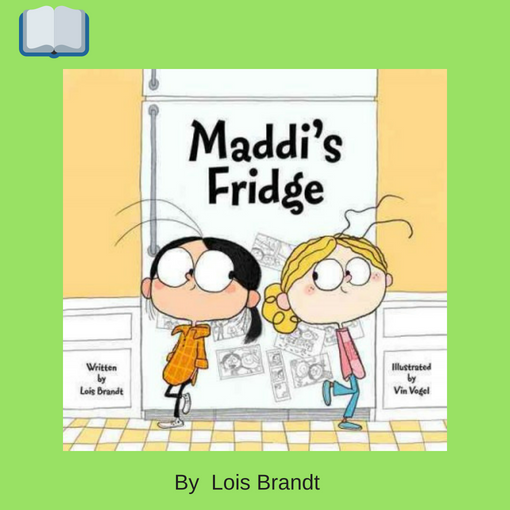
Four children’s books are Last Stop on Market Street by Matt de la Peña, A Chair for My Mother by Vera B. Williams, Maddi’s Fridge by Lois Brandt, and Those Shoes by Maribeth Boelts. These books can help children talk about kindness, community, food insecurity, sharing and wanting things they cannot have. Four media resources are AIHW’s Australia’s Welfare 2019 in Brief, Emerging Minds’ What Is Trauma and Adversity?, Be You wellbeing videos, and Sesame Street resources about big feelings and helping others (AIHW, 2019; Be You, 2020; Emerging Minds, 2017).
Create Your Own Website With Webador